

Slang moves fast, and “mog” is one of the words taking over comment sections, group chats, and short videos in 2K26. If you keep seeing people say someone got “mogged” and you have no idea what that means, you are not alone. This word shows up everywhere now, from sports pages to beauty forums to random group chat arguments.
By the end of this guide, you will fully understand where the word came from, every type of mogging people talk about, how to use it without sounding forced, and the mistakes that make people cringe when they hear it used wrong. This is the complete, long-term guide to the word, written in simple language so anyone can follow along.
Quick Reference Table
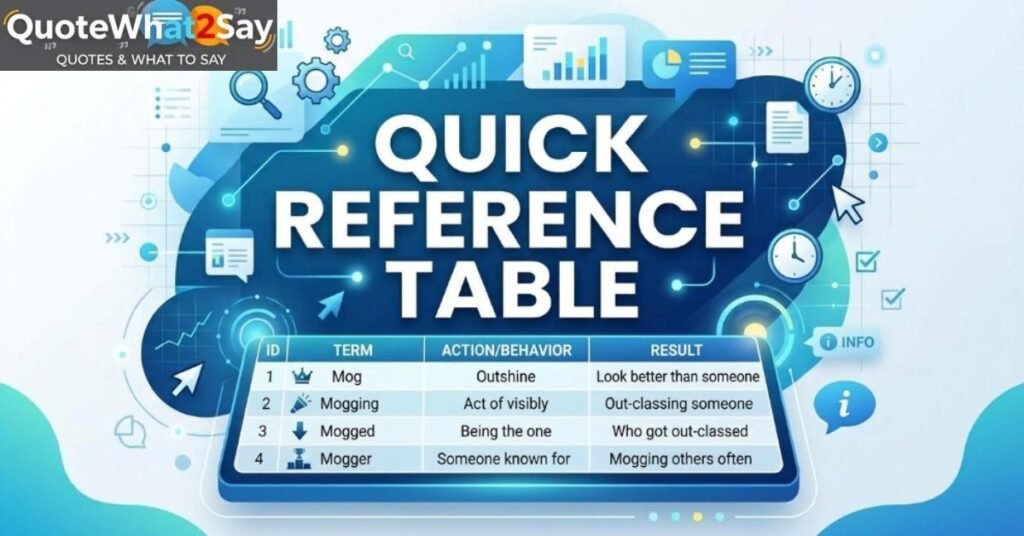
Before going deep into every meaning, here is a simple table you can scan quickly whenever you forget what a term means.
| Term | Simple Meaning |
| Mog | To outshine or look better than someone else in a moment |
| Mogging | The act of visibly out-classing someone in looks or presence |
| Mogged | Being the one who got out-classed in a comparison |
| Mogger | Someone known for mogging others often, usually without trying |
| Frame Mog | Winning in body size, shoulders, or overall build |
| Height Mog | Winning simply by being taller in a photo or in person |
| Aura Mog | Winning through confidence and presence, not looks alone |
| Mog Wars | A joking back-and-forth where friends try to out-mog each other |
| Soft Mog | A gentle, non-serious version of mogging used between close friends |
This table alone covers the basics, but each term has layers worth understanding, so let’s break them down one by one.
Mog
At its core, “mog” means to outshine someone, usually in looks. If a photo shows one person clearly looking better than the other, people say that person “mogged” the other one.
The word works as both a verb and a casual label. You can say someone “mogs” naturally, meaning it happens often, almost like a personality trait.
It does not always need a dramatic difference either. Sometimes a small detail, like better lighting or a sharper outfit, is enough for people to call it a mog.
Mogging
Mogging is the action itself. It is the moment someone visibly stands out next to another person, often without even trying to.
This can happen in real life, like walking into a room, or online, like posting a photo where one person naturally draws more attention. Either way, it is treated as a spontaneous event rather than something planned.
Mogging is rarely seen as a skill someone practices. Instead, it is usually described as something that just happens, almost like luck mixed with genetics or good styling.
Mogged
This is the passive version. If you got mogged, it means someone else outshined you in that moment or photo, usually without any bad intention behind it.
Getting mogged is almost always talked about with humor rather than sadness. Friends often joke about it right after it happens, turning it into a light moment instead of a real insult.
It can also happen unintentionally in group photos, where someone realizes only after posting that they got mogged by a friend, a sibling, or even a stranger in the background.
Mogger
A mogger is a person who does this often. It can be said as a joke among friends or as a genuine compliment about someone’s looks, height, or presence.
Some people embrace the mogger label proudly, almost like a nickname. Others get called moggers as a running joke within their friend group.
Being called a mogger is rarely negative. In most cases, it is treated as a playful title rather than an insult.
Frame Mog
This happens when someone wins based on body structure. Broader shoulders, a bigger frame, or better proportions all count here.
Frame mogging is common in fitness spaces, where people compare progress photos or gym pictures. It focuses purely on physical build rather than facial features.
This type is also common in sports discussions, where fans compare athletes based on size and physical presence rather than skill alone.
Height Mog
Simple and direct. If someone is taller and that height gives them an edge in a photo or in person, that is a height mog.
Height mogging is one of the easiest types to spot instantly. It does not require close comparison, since height differences are usually obvious right away.
It is also one of the most joked-about types, since height is something people cannot change, which makes it feel more like harmless fun than a real insult.
Aura Mog
Not everything is about looks. Aura mog is about energy, confidence, and presence. Someone can aura mog a room just by how they carry themselves.
This type proves that mogging goes beyond appearance. A person with strong body language, calm confidence, or natural charisma can aura mog someone who is technically more conventionally attractive.
Aura mogging is often considered the most impressive type, since it cannot be faked easily and usually reflects someone’s actual personality.
Mog Wars
This is when two or more people jokingly compete to see who can mog the other first. It is common in group chats and comment threads.
Mog wars often start small, with one playful comment, and escalate quickly as friends try to outdo each other with jokes, photos, or comebacks.
Most mog wars stay lighthearted, but they usually end quickly once someone lands a joke that gets a big laugh from the group.
Soft Mog
A soft mog is light-hearted. It is used between friends and is not meant to be taken seriously or to hurt feelings.
This version is common between close friends who trust each other enough to joke without any real tension. It keeps the fun of the word without any of the sting.
Soft mogging is often the safest way to use the term, especially with people who are new to the slang or unfamiliar with internet humor.
What Does Mogging Slang Mean?
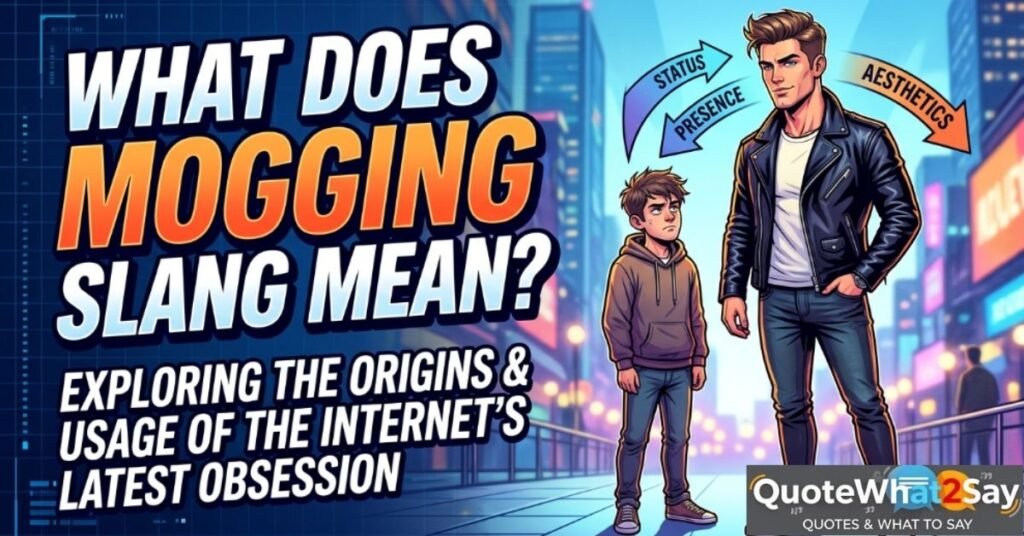
Mogging slang describes a moment when one person clearly stands out compared to another, usually in appearance. It started in online fitness and looks-based communities before spreading to general internet culture.
Today, it is used casually among friends, often as a joke rather than a serious insult. Context matters a lot with this word, since the same sentence can feel funny or harsh depending on tone and relationship.
Understanding this word fully means understanding both where it came from and how quickly it changed meaning once it left its original online spaces.
Where the Term “Mog” Came From
The word is believed to come from “mogadon,” a slang term once used to describe someone dull or unremarkable, but the modern usage grew separately from online forums focused on looks and self-improvement.
Over time, “mog” shifted to describe the opposite idea: someone who stands out in a good way rather than blending in. This shift happened gradually across niche online communities before reaching mainstream platforms.
Early usage was mostly serious and focused heavily on appearance ranking. As the word spread to wider audiences, it slowly became more playful and less intense.
How “Mog” Became Popular Online
The term spread through short-form videos and meme pages, where users posted side-by-side comparisons. As more creators used the word, it became a normal part of everyday online conversation.
Trending audio clips and comment sections helped push the word even further, since people repeated it constantly under viral posts. This repetition made the word feel familiar even to users who had never seen it before.
Now it shows up everywhere from sports comment sections to casual text messages between friends, proving how quickly niche internet slang can become mainstream language.
Generational Slang Comparison
Slang does not mean the same thing to everyone. Here is how different groups typically view or use the word “mog.”
| Generation | View on “Mog” |
| Gen Z | Uses it daily, mostly as a joke or light compliment among friends |
| Millennials | Familiar with it but uses it less naturally, often learned from younger family or coworkers |
| Gen Alpha | Grew up with the word already normalized, uses it in gaming and school settings constantly |
Understanding this table helps you know your audience before using the word. A joke that lands with Gen Z might confuse a millennial coworker or feel completely normal to a Gen Alpha kid at school.
Each generation also tends to use the word in different settings. Gen Z leans toward social media captions, millennials often use it after learning it from younger relatives, and Gen Alpha treats it almost like everyday vocabulary rather than slang at all.
Different Types of Mogging Explained
Not all mogging is the same. People usually break it into three main categories, each with its own focus and tone.
Appearance Mogging
This is the most common type. It simply means looking better in a specific moment, photo, or comparison.
It can be about clothing, grooming, facial features, or general style choices that make someone stand out. Sometimes even a fresh haircut or new outfit is enough to trigger this label.
Appearance mogging is also the most talked-about type online, since it is easy to point out in photos and screenshots.
Height and Frame Mogging
This type focuses purely on physical size. Being taller or having a bigger, more proportioned frame falls under this category.
It is often used in sports talk or fitness communities where physical stats are compared often. Fans frequently use this term when comparing athletes side by side.
This type is also common in casual friend groups, especially when someone unexpectedly grows taller or bulks up after time at the gym.
Aura and Presence Mogging
This is less about looks and more about energy. Someone with strong confidence, good posture, or a commanding presence can aura mog even next to someone conventionally more attractive.
This type proves that mogging is not always about appearance alone. It highlights personality traits like confidence, charisma, and how someone carries themselves in a room.
Many people consider aura mogging the hardest type to achieve on purpose, since it usually comes from genuine confidence rather than effort put into appearance.
How to Use Slang Naturally Without Sounding Awkward
Using new slang correctly takes a little practice. Here are some simple ways to sound natural instead of forced.
Match the Tone of the Room
If the conversation is playful, using “mog” fits well. If the setting is serious, it is better to skip it entirely.
Reading the room first prevents awkward moments where the joke falls flat or feels out of place. Pay attention to how others are speaking before jumping in with slang.
A good rule is to wait and see if someone else uses casual slang first before adding your own.
Know Which Version You’re Using
Decide if you mean appearance, height, frame, or aura before saying it. This keeps your message clear and avoids confusion.
Being specific also makes the joke land better, since vague slang can confuse people who are still learning the word.
Adding a small detail, like “height mog” instead of just “mog,” helps the listener understand exactly what you mean right away.
Read the Platform
Comment sections, texts, and video captions all have different tones. What works in a meme comment might feel out of place in a professional caption.
Always adjust your wording based on where you are posting. A casual comment page allows more freedom than a formal announcement or work-related post.
Platforms aimed at younger audiences tend to accept this slang more naturally than platforms used mostly for business or professional networking.
Watch for the “Mog Wars” Trap
Jokes can escalate quickly between friends. What starts as a fun exchange can turn into repeated jabs that stop feeling like a joke.
Know when to stop before it affects the mood. If one person stops laughing or starts giving short replies, that is usually a sign to end the joke.
Good friend groups usually know their limits, but it still helps to check in if the joke starts feeling one-sided.
Avoid It With Strangers
This word works best with people who already understand your humor. Using it with someone you just met can come across as rude or confusing.
Save it for close friends or familiar online spaces where the tone is already relaxed and playful.
Strangers may not know the word at all, or they may take it more seriously than intended, which can create unnecessary awkwardness.
Mog in Social Media and Online Culture
Social media is where this word truly lives. It shows up constantly in comments, captions, and trending audio clips across almost every major platform.
Using Mog in Comments and Captions
People often comment “mogged” under photos where one person clearly stands out. Captions sometimes use it directly, like “just mogging today” as a confident, joking caption.
It works best short and simple rather than overexplained. Long captions using the word too many times tend to lose the casual, funny tone that makes it work in the first place.
Many users also pair the word with emojis or short phrases to keep the tone light and easy to understand at a glance.
Mog Memes and Viral Internet Language
Meme pages frequently post side-by-side images using the word as a caption. These posts spread fast because the format is easy to understand at a glance.
This constant meme use is a big reason the word became so widely known. Memes act almost like free advertising for slang, helping new words travel across different online communities quickly.
Because memes repeat the word so often, even people who do not use social media heavily eventually pick up the meaning just from seeing it shared around them.
Common Slang Mistakes
Even popular slang gets misused often. Here are the most common mistakes people make with “mog.”
Treating It as Always Harmless
While usually a joke, the word can sting if used the wrong way or with the wrong person. Tone and relationship matter more than the word itself.
Always consider how the other person might take it before saying it, especially if you do not know them very well.
What feels like a harmless joke to one person can feel more personal to someone who is sensitive about their appearance.
Using It in Professional or Formal Settings
This is casual internet slang. Using it in a resume, work email, or formal presentation instantly feels out of place.
Keep it strictly for casual, informal conversations, ideally with people who already understand internet culture and slang trends.
Using it accidentally in a professional setting can make the message feel unserious, even if that was not the intention.
Confusing “Mog” With Its Older, Unrelated Meanings
Older uses of similar sounding words had different meanings entirely. Mixing these up can confuse people unfamiliar with current slang.
Stick to the modern definition when speaking with today’s audience, especially younger users who only know the current meaning.
If you are speaking to someone from an older generation, a quick explanation can help avoid confusion before using the word casually.
Overusing It Until It Loses Meaning
Saying it in every sentence removes its impact. Like most slang, it works best used sparingly.
A single well-placed use hits harder than repeating it constantly throughout a conversation or caption.
Overuse can also make the speaker seem like they are trying too hard to sound trendy, which often has the opposite effect.
Mog Slang Examples in Everyday Conversations
Seeing real examples makes any slang word easier to understand and use correctly in your own conversations.
Casual Examples
- Bro just mogged everyone at the gym today
- She wasn’t even trying and still mogged the whole room
- That fit is mogging hard right now
- He mogs without even realizing it half the time
- This whole squad got mogged by one guy in the back row
Funny Examples
- My dog somehow mogged me in that photo
- Even my little cousin is mogging me now, I need to hit the gym
- Got mogged by my own reflection today, rough
- My little brother mogged the entire family photo without trying
- I got soft mogged by my best friend and I’m still not over it
Online Comment Examples
- Ok who let him mog like this
- This is an aura mog, no cap
- Height mog confirmed in slide two
- Frame mog detected, no notes
- Nobody is safe from a mog war in this comment section
Practice Section
Try these quick exercises to test how well you understand the word and its different types.
Fill in the Blanks
- He totally _______ everyone in that group photo
- That was a soft _______, nothing serious
- She has major _______ energy, pure aura mog
- His shoulders alone gave him the _______ over everyone else
- Nobody expected the height _______ in that lineup
Choose the Correct Slang
- A) Mog B) Mogged C) Mogger
“After the photo dropped, everyone agreed he really ______ the whole squad.”
- A) Mog B) Mogged C) Mogger
“She’s known as the ______ of the friend group, it happens every single time.”
Rewrite in Slang
Original: “He looked much better than his friends in that photo.”
Slang version: “He straight up mogged his friends in that photo.”
Original: “She has so much confidence that she stands out in every room.”
Slang version: “She’s an aura mogger, no debate.”
Conclusion
Mogging slang is a fun, casual way to describe moments when someone clearly stands out, whether through looks, height, frame, or pure confidence. Knowing the different types helps you use the word accurately and naturally in daily conversations.
Like any trend, this word will keep evolving, but understanding its roots and correct usage now means you will always know exactly what people mean when they say it, no matter where you see it used next.
see also: 375 Happy Birthday Blessings and Wishes for Loved Ones
FAQs
How do you know if you got mogged in a photo?
You likely got mogged if someone else in the photo clearly stands out more through looks, height, or confidence, often noticeable at first glance.
What is the actual meaning of mogging?
Mogging means outshining someone else, usually in appearance, height, frame, or overall presence, either in person or in a photo.
Is mogging always about looks?
No, mogging can also be about aura and confidence, since someone with strong presence can aura mog even without looking conventionally better.
What does aura mog mean exactly?
Aura mog means winning a comparison through energy, confidence, and presence rather than physical appearance alone.
Is it rude to call someone a mogger?
It depends on tone and relationship; among friends it is usually a joke, but with strangers it can come across as awkward or rude.
What is the difference between mog and mogged?
Mog is the action of outshining someone, while mogged describes the person who was outshined in that specific moment.
Can mogging happen without trying?
Yes, mogging often happens naturally, without the person even realizing they stood out more than someone else.
What are mog wars in slang?
Mog wars happen when friends jokingly go back and forth trying to out-mog each other, usually in a playful, non-serious way.
Is it okay to use mogging slang at work?
No, this term is casual internet slang and does not fit professional or formal settings like work emails or presentations.
Why did the word mog become so popular online?
The word spread quickly through memes, comparison photos, and short videos, making it easy for people to understand and use instantly.

I’m Grace Morgan, a professional content writer with 3+ years of experience and AI content writing expertise, creating clear, engaging, and easy-to-understand content for readers.
